
Hardcover vs. Paperback: Distinct Choices for Readers

Upon entering a bookstore, one encounters a dazzling array of books, primarily categorized into two types: hardcover and paperback. Readers often find themselves weighing the differences between the two when making a purchase. In fact, there is no absolute superiority or inferiority between hardcover and paperback; they simply differ in their craftsmanship, positioning, and purpose, and are suited to different reading scenarios and collection needs. Understanding the differences between the two is essential to choosing the most suitable book for yourself.
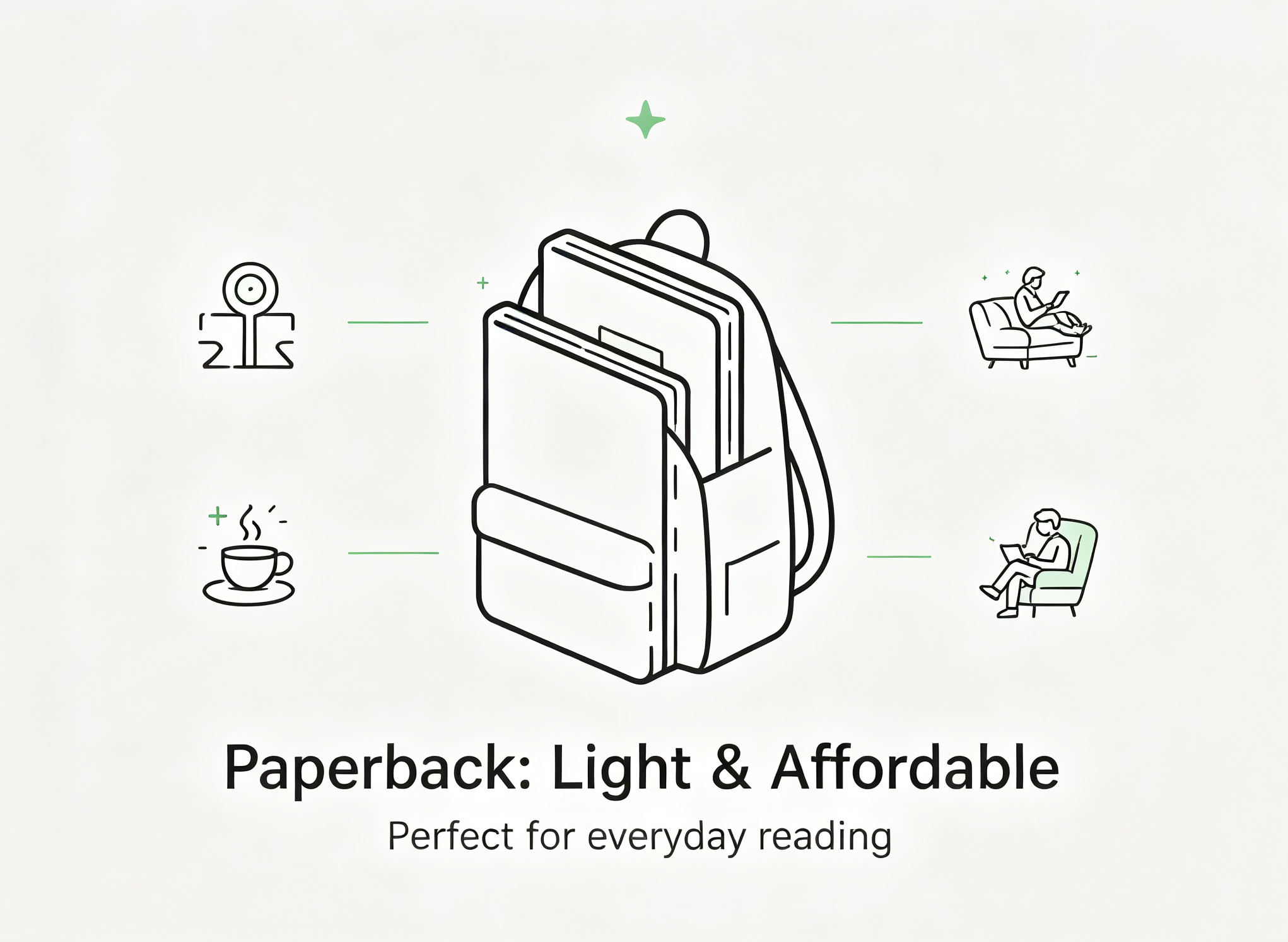
Paperbacks are the most familiar book format and the dominant choice in the market. Characterized by lightweight paper covers and simple binding techniques—typically perfect binding or Smyth sewing—they are slim, flexible, and highly portable. From textbooks and supplementary teaching materials to popular novels, popular science articles, and essays, the vast majority of everyday reading materials are paperback. Their streamlined production process significantly lowers costs, resulting in affordable prices and excellent value for money. Ideal for daily commutes or casual reading, paperbacks can be easily slipped into a bag; they are effortless to handle and require no special care, even with frequent use or transport, making them perfectly suited to the everyday reading habits of the average person.
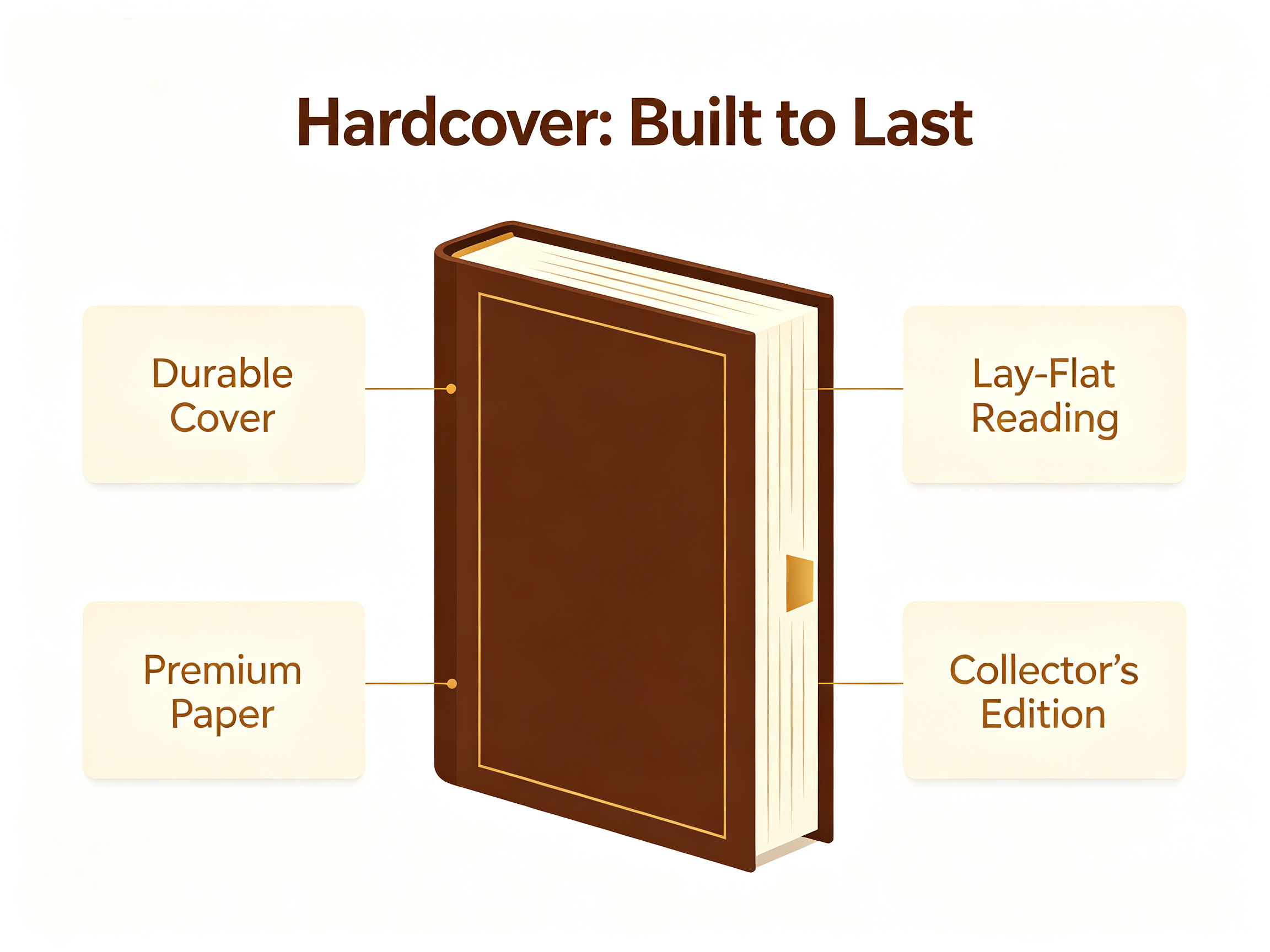
Hardcover books are the "exquisite" type of books, emphasizing quality and collectible value. They feature sturdy, thick covers—often crafted from high-end materials like coated paper, cloth, or leather—that are durable and scratch-resistant. Binding usually involves Smyth sewing, ensuring pages remain secure and allowing the book to lie flat for a superior reading experience. Meanwhile, hardcover books feature more refined printing processes, thicker paper, clearer text, and a high-quality color scheme. Some books also come with dust jackets, belly bands, gold foil stamping, and other decorative elements, making them highly visually appealing. However, their larger size and heavier weight make them inconvenient to carry around, and higher production costs result in prices significantly higher than those of standard paperbacks.
Ultimately, the fundamental difference between the two lies in the trade-off between practicality and collectibility. Paperbacks prioritize practicality, catering to everyday reading, quick browsing, and repeated perusal; they are well-suited for essential reference materials and recreational reading. Hardcovers, on the other hand, emphasize a sense of occasion and longevity, making them ideal for literary classics, collected works, art albums, and commemorative editions. For classic works that are worth reading repeatedly and treasuring for a long time, hardcover editions can better preserve the contents of the book and remain in good condition even after the years; while for ordinary popular books, paperbacks are sufficient to meet reading needs and are more economical.
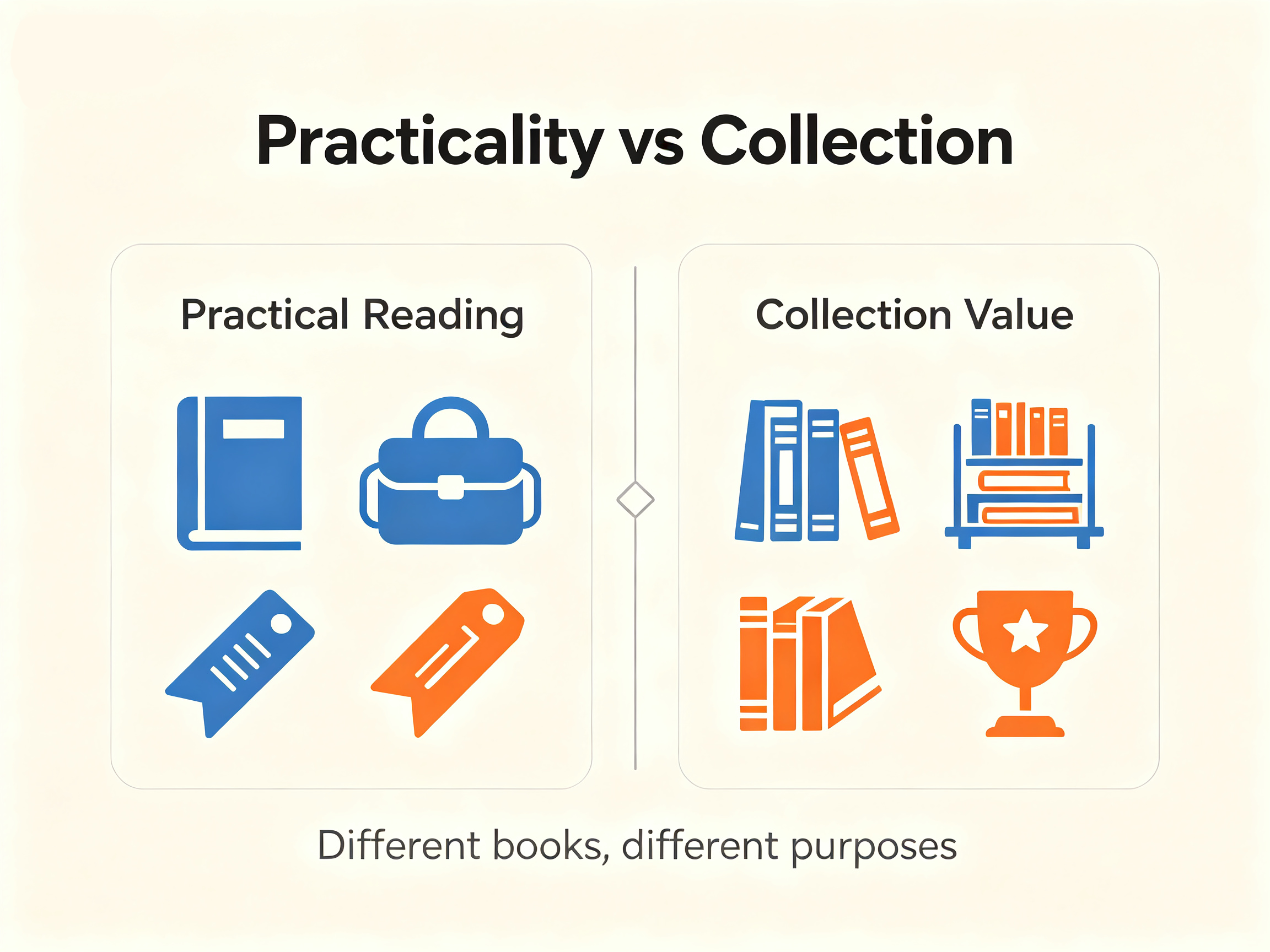
In short, hardcovers excel in their exquisite quality, durability, and suitability for collecting, while paperbacks win on portability, affordability, and versatility for daily use. The core of reading is never the quality of the book's cover, but the power of the words themselves. By choosing the appropriate format based on how the book will be used, one can enjoy a comfortable reading experience while ensuring each book delivers its full value.